According to The Business of Fashion*, consumer demand for natural fibers in clothing is growing, including within the activewear market. For designers, this creates a dilemma: how can they combine the breathability and soft, gentle feel of natural fibers — the qualities consumers value most — with performance properties such as four-way stretch, quick-drying capabilities, and reliable shape retention?
The good news is that you do not have to choose between comfort and performance. Natural fiber blends offer the benefits of both. In this blog post, we explore advanced natural fiber blends, their benefits, ideal applications, and the specific fabrics that deliver both comfort and performance.
Why natural fibers are catching designers’ attention

Hand feel and wearer comfort are increasingly important. As the luxury market places greater emphasis on how a fabric feels, natural fibers stand out for their softness and comfort. Cool-to-the-touch materials with a smooth hand often feel more premium against the skin.
These materials are having a real moment in activewear as they move beyond their traditional markets. Merino wool is a good example of how far natural materials have come in performance apparel. Once associated primarily with outdoor clothing and base layers, merino wool is now appearing in everyday athleisure for its ability to manage odor and regulate temperature.
How pure natural fibers perform in activewear
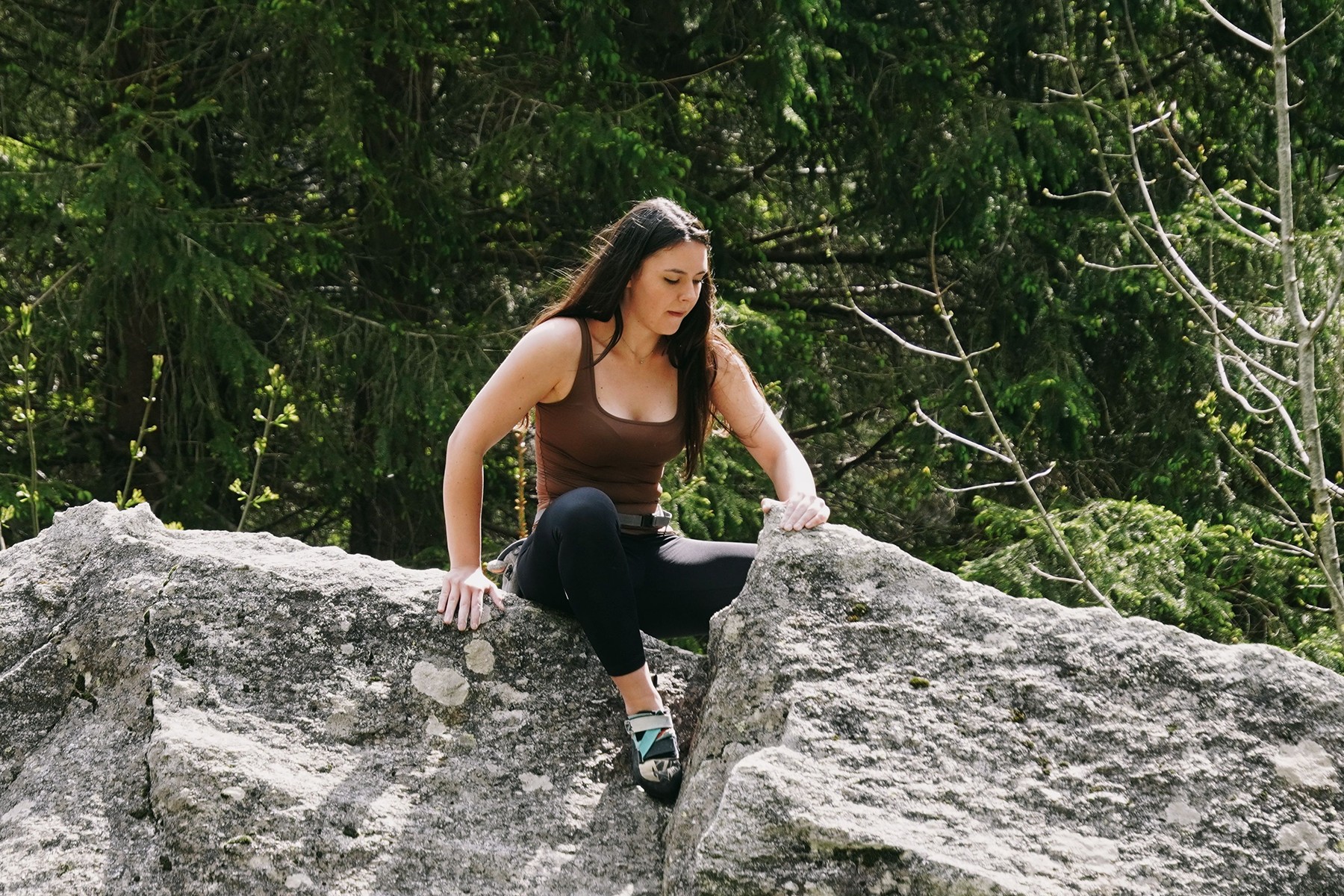
Pure natural knits struggle with the demands of activewear in three specific ways:
- Recovery. Cotton and rayon tend to stretch out and stay stretched, so you see bagging at the knees, elbows, and seat after a few wears.
- Moisture management. Natural fibers absorb water and retain it, so a sweaty garment can feel heavy and stay damp instead of drying quickly.
- Durability. Some natural fibers wear thin under repeated friction.
None of that works for a running tight or a training top. That is why textile mills seek a way to retain the benefits of natural fibers while engineering out their weaknesses.
Textiles that keep natural fiber benefits with activewear’s performance
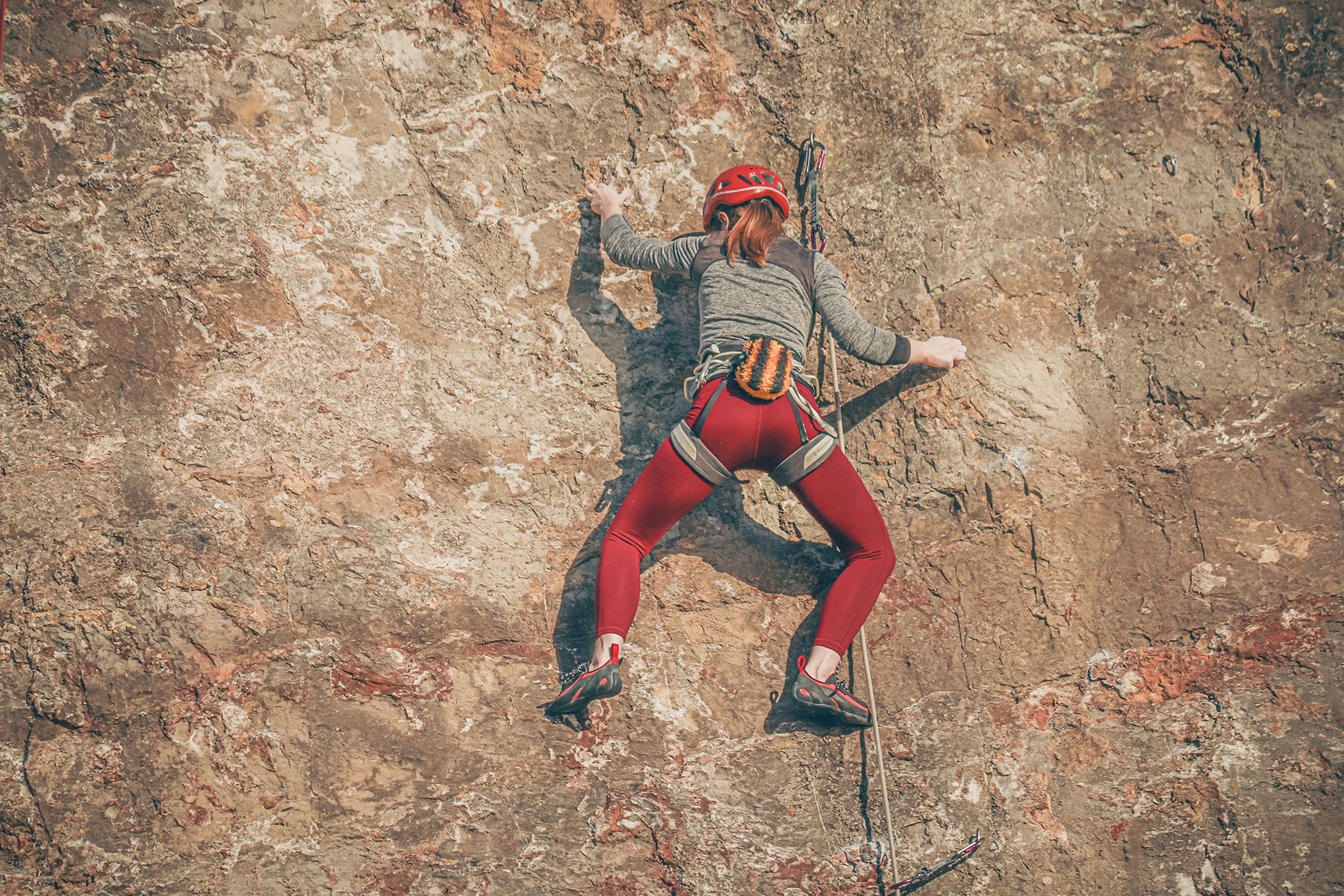
There are three ways to turn a soft natural knit into a fabric that can keep up.
1. Adding a small amount of spandex gives fabric stretch and recovery. Even 5 to 8% is enough to add a natural knit that would otherwise sag, providing four-way stretch and form recovery. This is the most important addition that makes “natural” and “four-way stretch” work together.
2. Blending in nylon or polyester adds durability and quick drying. A nylon core, for instance, gives a soft, fine fiber abrasion resistance, while polyester speeds up drying and helps the fabric hold its shape.
3. Pairing a water-loving fiber with a water-resisting one creates a built-in moisture system. The absorbent fiber pulls sweat away from the skin, and the water-resisting fiber moves it to the surface where it can evaporate. That combination is how a fabric can feel natural and still dry fast.
The knit structure is essential in itself: a rib knit adds crosswise stretch, a scuba double-knit gives heavier fibers like rayon a supportive scaffold so they hold a sculpted shape rather than drooping, and an interlock adds stability.
In other words, you can reach performance through the fiber, through the construction, or both, and knowing which one you’re relying on is what makes a fabric choice feel considered.
Advanced natural fibers and blends suitable for activewear
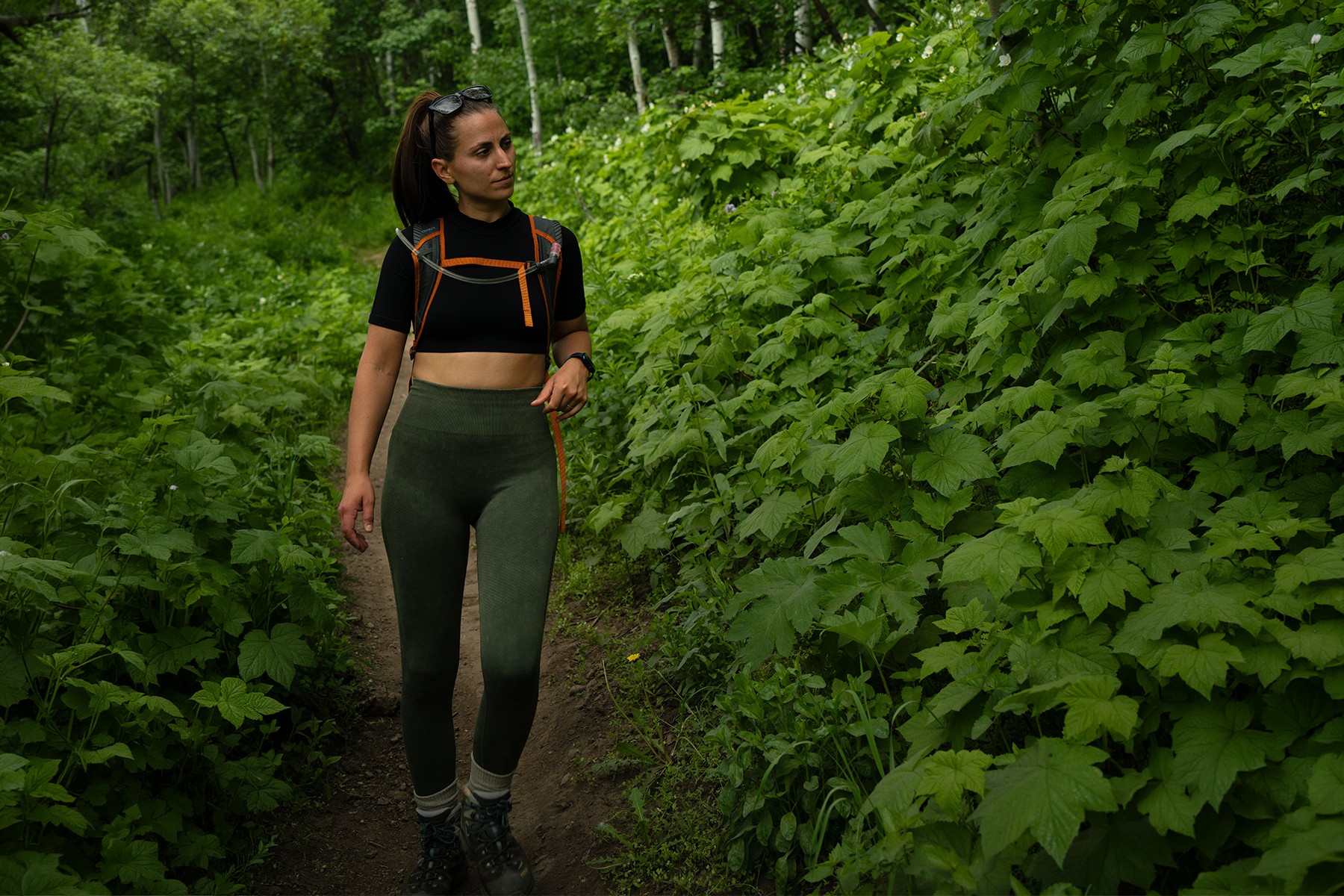
We’ve selected a few of the most interesting natural fibers and blends that work the best for loungewear and workout clothes.
Wool for sport: warm when you need it, cool when you don't
Merino wool is the fiber leading the natural-activewear crossover. It’s fine enough to wear right against the skin without any itch, it naturally resists odor, and it helps regulate temperature in both heat and cold. The usual concerns about wool, cost, and durability are exactly what the right blend or construction addresses.
Explore our Merino wool fabrics, certified by Responsible Wool Standard, and suitable for activewear.
Content: 57% Merino, 37% Tencel, 6% Lycra
Weight: 280 GSM
Width: 59/60″
Fabric features: Merino wool brings warmth and odor resistance, while Tencel absorbs and spreads moisture quickly for a flash-cooling effect and adds a smoother, less irritating feel than wool alone. The 6% Lycra gives it the recovery activewear needs. This is the solution for anyone who assumes wool is only for winter.
Content: 72% Merino, 26% Nylon, 2% Spandex
Weight: 265 GSM
Width: 62/63″
Fabric features: Fine merino wool sits against the body for comfort and odor control, and a strong nylon core carries the structural load so the fabric stands up to friction and repeated wear. A great pick when you need natural comfort and longevity in one fabric.
Content: 68% Polyester, 32% Merino
Weight: 260 GSM
Width: 62/63″
Fabric features: This grid fleece uses raised nodes to trap body heat, with open channels between them that vent moisture during high-output activity. You get proper temperature regulation without the weight of traditional fleece, which makes it a strong choice for cold-weather training and layering.
Content: 100% Merino
Weight: 190 GSM
Width: 67/68″
Fabric features: Pure merino offers the highest level of odor resistance, excellent temperature regulation, and full biodegradability at the end of its life. It trades some stretch for that authenticity, which makes it ideal for travel, multi-day wear, and lifestyle pieces rather than high-compression sport.
Cellulosics: the botanic middle path
Modal, TENCEL™, and Naia™ are derived from plants but undergo engineered processing, allowing them to sit comfortably between natural and synthetic fibers. They provide the soft, natural feel wearers value while delivering more consistent performance than many pure natural fibers can achieve on their own. This makes them an ideal choice for designers seeking fabrics that feel natural but perform like technical blends.
Content: 95% Naia, 5% Spandex
Weight: 260 GSM
Width: 54/55″
Fabric features: Naia™ (Eastman) is a cellulose fiber made from renewable wood pulp, with a cool-to-the-touch, silky softness. The rib structure creates an accordion effect that lets the fabric stretch and spring back on its own. A lovely hand for form-fitting loungewear, waistbands, and next-to-skin pieces.
Content: 39% Modal, 53% Polyester, 8% Spandex
Weight: 330 GSM
Width: 60/61″
Fabric features: This fabric creates a push-pull system: absorbent modal pulls sweat away from the skin, polyester moves it to the surface to dry quickly, and the scuba double-knit holds a clean, sculpted shape without feeling stiff. Ideal for leggings, loungewear, and fashion.
Cotton, made for movement
Cotton is a fiber consumers already trust for comfort and breathability. However, on its own, it offers limited stretch recovery and can lose its shape over time. For activewear, look for cotton blended with spandex, modal, or other performance fibers to improve stretch, recovery, softness, and durability.
Content: 93% Cotton, 7% Spandex
Weight: 200 GSM
Width: 58/59″
Fabric features: A breathable classic, upgraded for movement. You keep cotton’s gentle, familiar breathability, and the rib knit together with 7% spandex adds real crosswise stretch, up to twice its width, with the memory to recover. A dependable everyday staple that behaves the way activewear should.
Content: 95% Cotton, 5% Spandex
Weight: 210 GSM
Width: 58/69″
Fabric features: The addition of 5% spandex gives this pure cotton a smooth, flat face with the mechanical memory it needs to snap back into place, preserving the garment’s fit wash after wash.
Matching the fabric to the activity
If your customer is… | Prioritize | Best fit |
Running, HIIT, or high-intensity training | Moisture-wicking, recovery, durability | Merino wool/nylon blends, cellulosic push-pull blends |
Doing yoga, walking, or barre | Softness, breathability, next-to-skin comfort | Cotton rib, Naia rib, merino wool/Tencel |
Layering in cold weather | Warmth without bulk | Thermo merino wool grid |
Living in it — travel, lounge, everyday | Odor resistance, natural feel, easy care | 100% merino wool jersey, modal scuba |
How to ensure you source a truly advanced material
The words “natural” and “eco-friendly” are not enough on their own. Today’s buyers, and the regulators who monitor them, expect proof, and that proof is the certification. Certifications verify a fabric’s sustainability claims, and they are still uncommon in this market, so they are also a way to give your brand a credible advantage.
Different fibers use different certification systems:
Wool: The Responsible Wool Standard (RWS) verifies animal welfare and responsible land management across the supply chain.
Cellulosics (Tencel, Modal, and Naia™): The most relevant certifications confirm closed-loop processing and the use of responsibly sourced wood pulp (FSC or PEFC). Lenzing’s Tencel and Ecovero are examples of branded, traceable programs.
Across all fiber types: OEKO-TEX® (tested for harmful substances), GRS (recycled content and chain of custody), and bluesign® (managed chemical inputs) apply to both natural fibers and blends.
At Pine Crest Fabrics, most of our fabrics are certified by OEKO-TEX®, GRS, bluesign®, and REPREVE®. Our Tencel carries the EU Ecolabel, and Wool has the Responsible Wool Standard (RWS). We are always happy to confirm which certifications apply to any style you are considering.
Frequently asked questions
Are natural fabrics good for activewear?
Yes, as long as they’re blended and constructed for it. Pure natural fibers don’t offer the stretch, recovery, and quick drying that sport demands, but a small percentage of spandex, nylon, or polyester, along with the right knit structure, keeps the natural feel and sustainability while adding real performance.
Is wool good for sportswear?
Merino wool is one of the best natural fibers for sport. It resists odor, regulates temperature in both heat and cold, and, once blended with a little nylon or elastane, becomes durable and stretchy enough for training and everyday activewear.
What are the best natural fabrics for activewear?
Merino wool, cotton, and plant-based cellulosics like Tencel, Modal, and Naia™ all perform well when they’re blended for stretch and moisture management. The best choice comes down to the activity: high-intensity wear calls for durable, moisture-moving blends, while low-impact and lifestyle pieces can lean more heavily on natural content.
Find the right natural fabric for your next collection
Pine Crest Fabrics sources certified natural and natural-blend fabrics for activewear, swimwear, and fashion brands, and we help you match the fiber, construction, and certification to how your garment will actually be worn. Explore our fabric collection or contact a fabric expert, and we will recommend the best fit for your line and send you swatches.
Sources*: https://www.businessoffashion.com/articles/sustainability/wool-natural-fibre-activewear-nero-mover-huha-mate-the-label/